

Grief is not a linear process.
I don’t think there is anyone more fed up with the “experts” talking about the 7 stages of grief than I am. Or is it 5 stages?
Who knows?
It seems that if we don’t all experience grief the same way, there’s something wrong with us.
In my personal experiences, I know I didn’t go through all the stages, especially not in any order either. Each was unique in its feeling, and I experienced them all completely differently.
So many “experts are trying to figure out how to label everything in order to fit into a certain stereotype and feel like we belong. Belong to what? A club? Society?
I don’t know about you, but when I was grieving, I wasn’t thinking about fitting in. I was just trying to make it through the days, months, or years.
That brings me to another point of contention.
How long are we allowed to grieve?
Have you ever felt rushed? Or shamed for still grieving?
People are trying not to be offensive, but they just can’t help themselves, with questions like these:
“Oh, does that mean you’re not dating yet?”
“I’m sure he would want you to move on.”
“Let me know when you’re ready; I know someone who would be great for you.”
Really?
Just stop.
We have to understand that grief is NOT a linear process. It’s different for each of us.
It can depend on so many factors.
The person’s relationship with us, the circumstance, and the timing.
Just to name a few…

My experience with grief…
When my brother died in a car crash, it was a shock to all of us. This type of death is hard for the brain to comprehend because it’s unexpected.
What I mean by that is that even though all deaths can be a shock, when someone is terminally ill, it’s expected that the person will pass on. Hence the word “terminal.”
Most of us grew up thinking that our grandparents would pass first, and then our parents. We learned that there’s a natural progression. This is our way of easing the pain. Natural age-progression passings.
Until, of course, life throws us the proverbial curveball!
Like a car crash, a shooting, or a suicide. Those are huge shocks to our system.
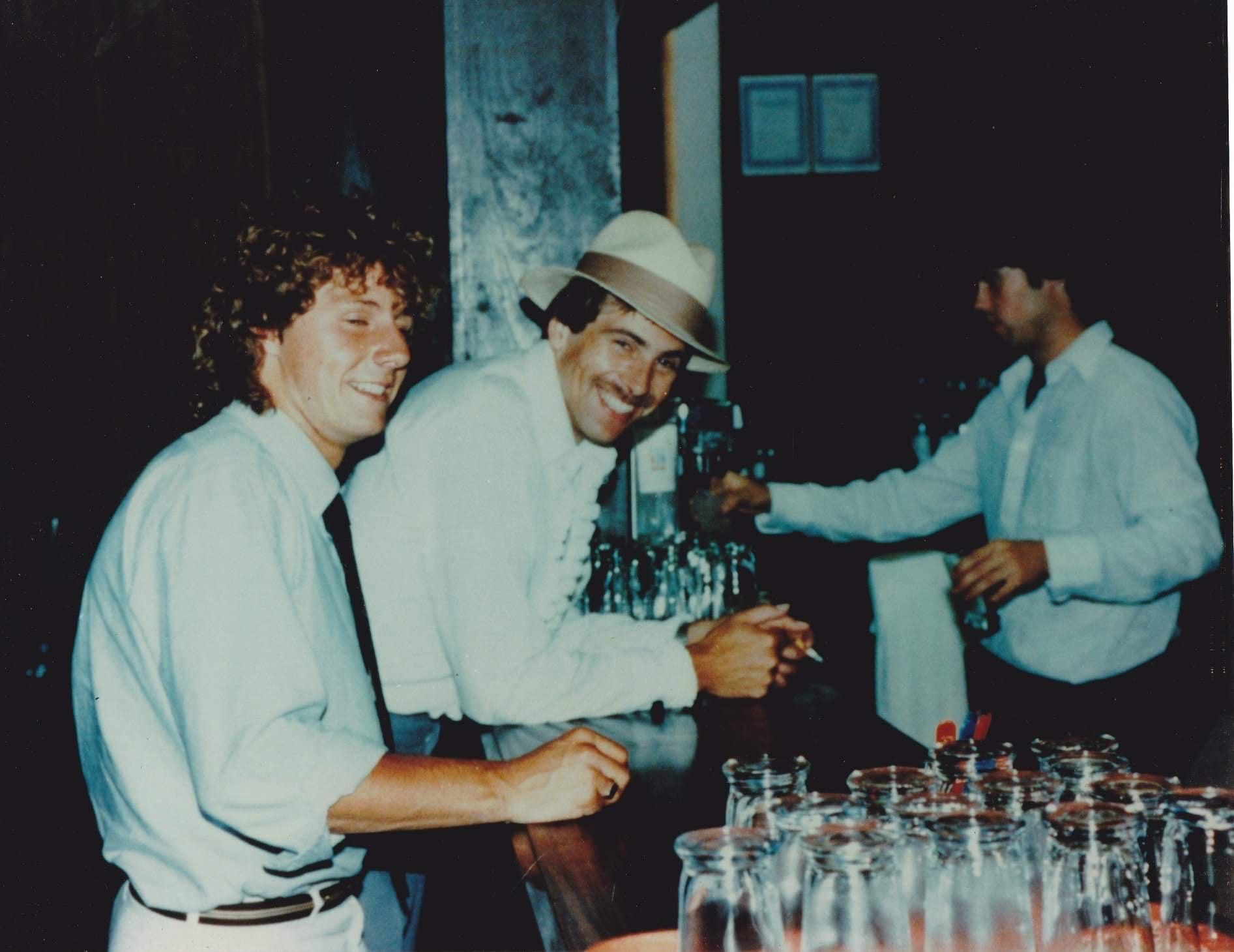
So when my brother Jim was killed in a car crash in 1987, the first thing I felt was disbelief. I was 23 at the time.
My parents grieved much differently from each other and from my other siblings and me. That was my first experience with a death other than my grandparents.
To see my parents grieve the death of their firstborn was devastating on top of experiencing my own pain. I don’t think anything can compare to the loss of a child, no matter their age.
It took me a long time to really understand how to move forward from that loss. I couldn’t keep a job. I was lost there for a while until I found meaning and purpose in a passing of that kind.
This is called the “Groundless” effect: Sudden loss often activates the brain’s alarm circuits. This can lead to
A few years later…
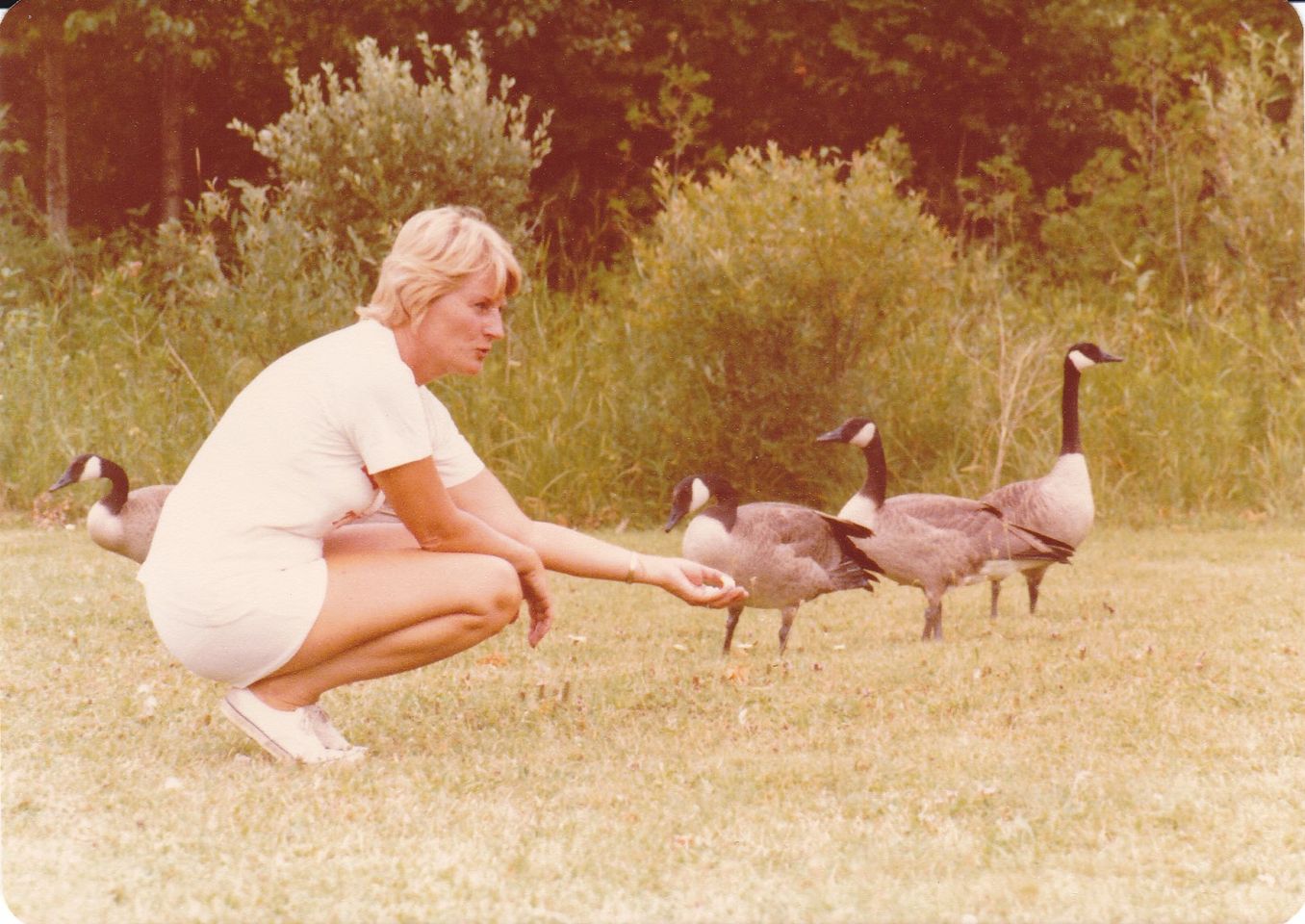
My mom was diagnosed with breast cancer. I think we all know someone who has been diagnosed with or passed away from cancer. It’s never a pleasant experience for anyone involved, especially the person who has it.
In March of 1994, I turned 30. My mom was in her fifth year of remission when it was found to have spread to her brain, and we knew that she would not be here with us much longer. She passed away in September of that year.
The difference for me in experiencing my mom’s death was that I had closure. I was able to say goodbye. I was able to ask her all the questions I had. I took advantage of her time left on the planet.
Her passing was a gift. I grieved for her (my best friend) while she was still living. And then, when she did pass, I was relieved for her. She was no longer suffering, no longer worrying about us, and no longer in pain.
Anticipatory Grief: This is the process of mourning the person while they are still alive. While it doesn’t necessarily make the final death “easier,” it allows for
The hardest one of all…
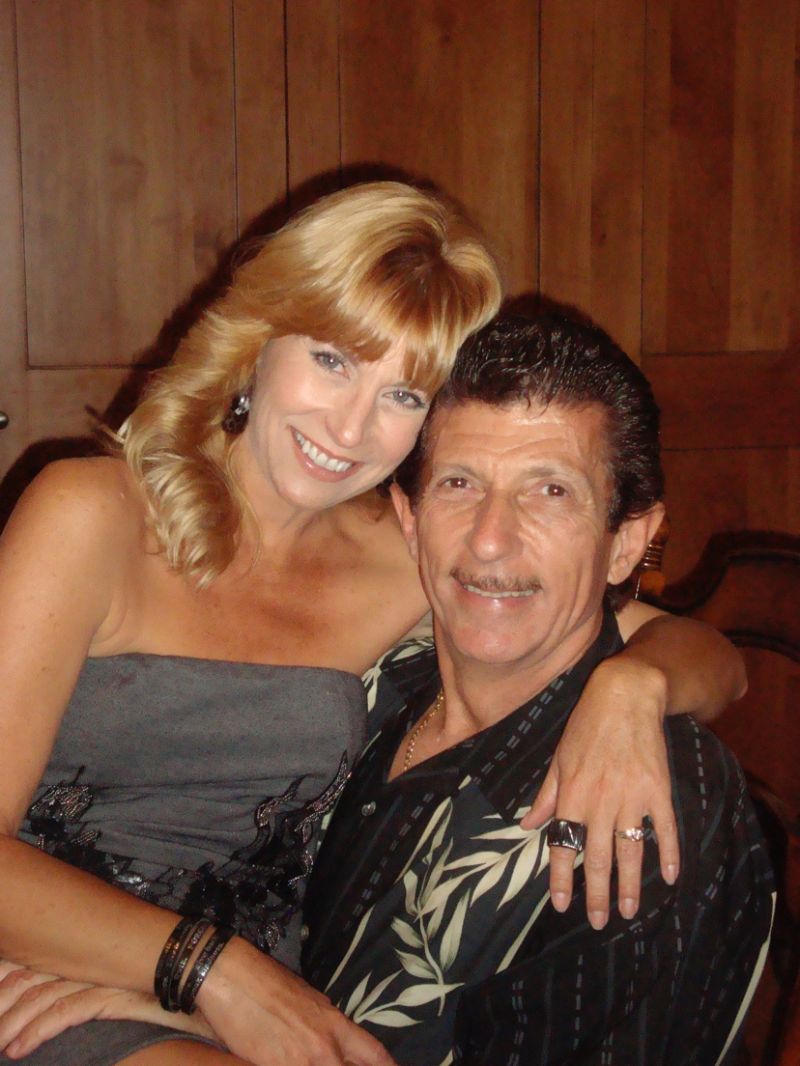
Losing Daniel was like losing a part of myself. We were together for over 22 years. We had plans. Then those plans went out the window in the summer of 2017.
It started a few years prior, but we never really connected the dots. He used to have twitching in his body while he slept; sometimes it would wake him up. It wasn’t every night, but it was significant enough for him to mention it. But after reading more about this.
About 70% of us experience muscle twitching here and there, but his was so much more than we initially thought.
This is Daniel sitting on the couch. You can see how much twitching he was experiencing. This was an everyday occurrence after the falls, and slurring and choking became more frequent.
ALS Muscle Twitching vs BFS Muscle Twitching: Knowing the Differences
“Symptoms often start in the limbs, known as limb onset ALS, move to the feet and hands, and then spread to other body parts (as opposed to bulbar onset ALS, when symptoms begin with trouble swallowing or speaking).”
Daniel also experienced bad cramping, or what we refer to as “Charley horses.” I have no idea why they are called that, but they became extremely painful in the last few months, when he would wake up screaming.
In our minds, this disease started with random falls in April of 2016. No pain. His legs would just give out, and then he would get back up. But, obviously, it started years before.
Once the falls started to happen more frequently, I suggested he start using a cane.
When the slurring and choking started, we got worried. Those got progressively worse until we had to get him on a feeding tube.
He went from a cane to a walker to a wheelchair within one year and passed away in July of 2017.
He was ultimately diagnosed with ALS (Amyotrophic Lateral Sclerosis).
We had lost everything a few years prior, so we didn’t have the funds to hire anyone to help us. I had to be the wife, mother, nurse, friend, girlfriend, and caretaker all at the same time.
Needless to say, I was a complete wreck!
I was on the verge of a nervous breakdown and thought briefly about ending it all. Not because I didn’t have anything to live for, but because it was so fucking hard!
No one should ever have to see anyone in that condition. No one should ever have to see someone disintegrate into skin and bones, have to wipe their butt, or feed them through a tube.
It was the most humiliating disease for him. And for me, it was heartbreaking.
Daniel’s passing took a good 18 months to feel somewhat normal again.
I believe that at one point, for many years after his passing, I had undiagnosed PTSD from his illness, taking care of him, and, of course, the loss of my best friend and partner of 22 years.
There are times now that I can talk about it without getting emotional, and other times I just break down.
The Trauma of “The Decline”: Articles on
We should not feel ashamed to express how we feel.
It should not matter how much time has passed to express how we feel. Even if we have gone through the grieving process in our own way, we can still be triggered by things that happen in our daily lives.
We are humans after all. And imperfect as we are, we need to be able to feel free to do it on our own time, anywhere we wish to do so, without judgment.
We all grieve in the way that we were meant to. If you don’t go through all the “stages,” that’s okay. It’s your grief. Do it your way.
I work with those who have been through it, have rebuilt, but still feel disconnected.
Let’s see if it’s the right fit for you.

Sandra J Wilson
Certified Soul Realignment® Practitioner and Akashic Life Coach
She has been living and working in Mexico since 1997.
Soul First. Strategy Second.